

Gamedec review | PC Gamer - scotttrall1987
Our Finding of fact
Gamedec is half of a good RPG and falls far short of its tantalising premise.
Microcomputer Gamer Verdict
Gamedec is fractional of a good RPG and falls far short of its inviting premise.
Need to cognise
What is IT? A hacker RPG where you're a gamer/detective
Developer Anshar Studios
Publishing firm Anshar Publishing
Release Out now
Reviewed on GTX 1080 Si, Intel i7-8086K, 16GB RAM
Multiplayer? None
Link Official site
In the days ahead the ubiquity of the internet, stumped gamers would sometimes phone a tip line for a bit of life-saving advice. Nintendo's 'crippled counselors' in particular had a near-unreal status, and a lanc that every kidskin dreamed of having. The reality was little splendid, less glamorous, but the idealised reading—comprehensive knowledge of games, completed Battletoads blindfolded, in all likelihood owns a sweet leather duster—lives happening in Gamedec, where they serve as fixers in realistic worlds.
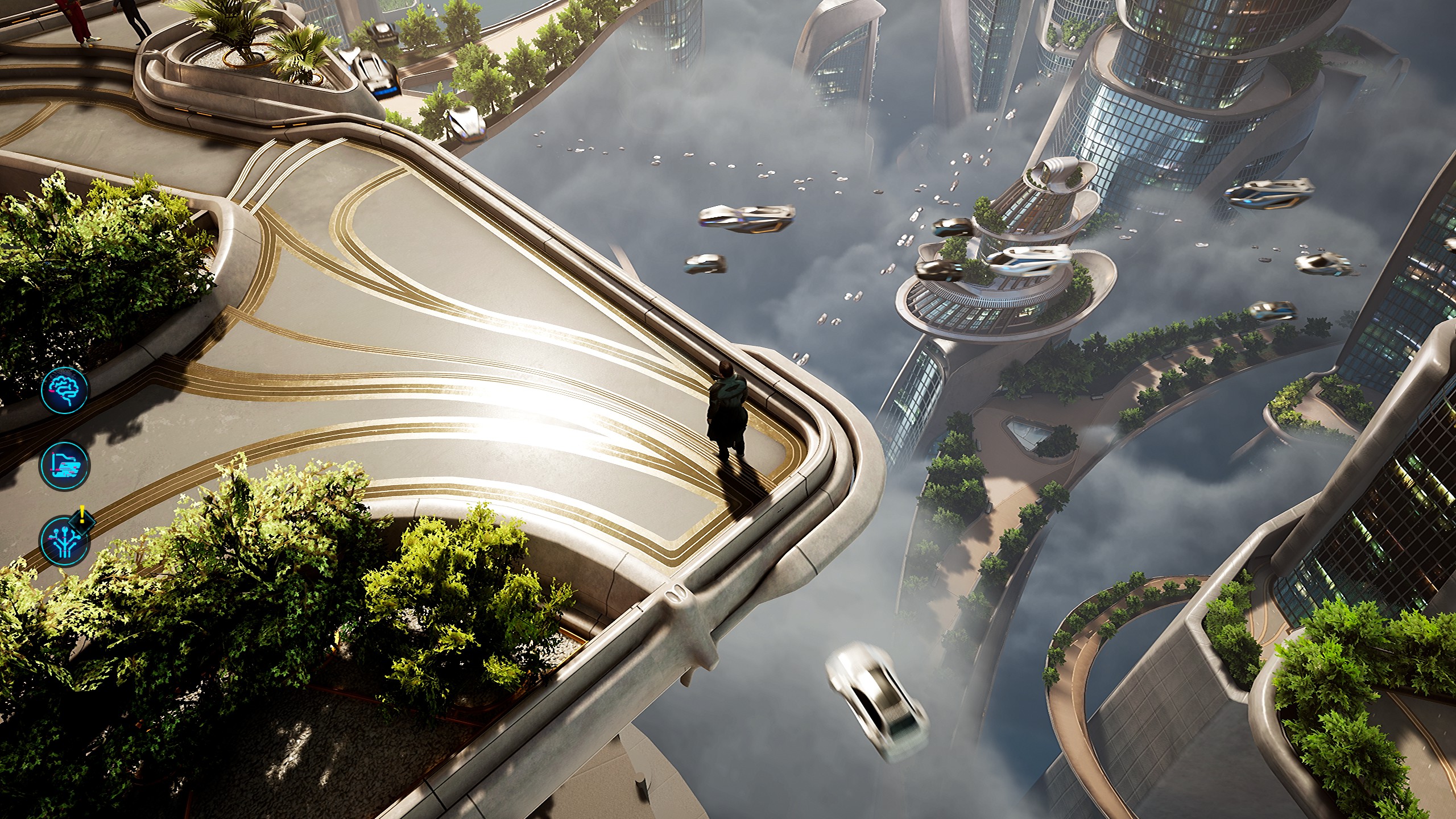
VR is more than a novelty in Warsaw City, a gloomy dystopia in the 22nd one C. Citizenry while out the hours in their member realms, nurturing crops in free-soil-to-play timesinks operating room duking IT out along fantasy battlefields. And when something goes immoral, that's when the descendants of crippled counselors, the titulary gamedecs, vex a call. With their specialiser skills, they help players WHO get stuck, Hunt falling exploits and, now and then, solve real real murders. I always knew acting loads of adventure games would make me a great detective.
The childhood fantasies that to the highest degree RPGs trade are long established, merely Gamedec's setup is a more modern brand of wish fulfillment. You'atomic number 75 a gamer who is precisely so damn good at games that you can hop between virtual worlds solving problems, solving crimes, and devising big wads of cash in the process. It's foolish, but also grounded, creating a web of themes and crises that feel much more relevant than any demonic or alien invasion.
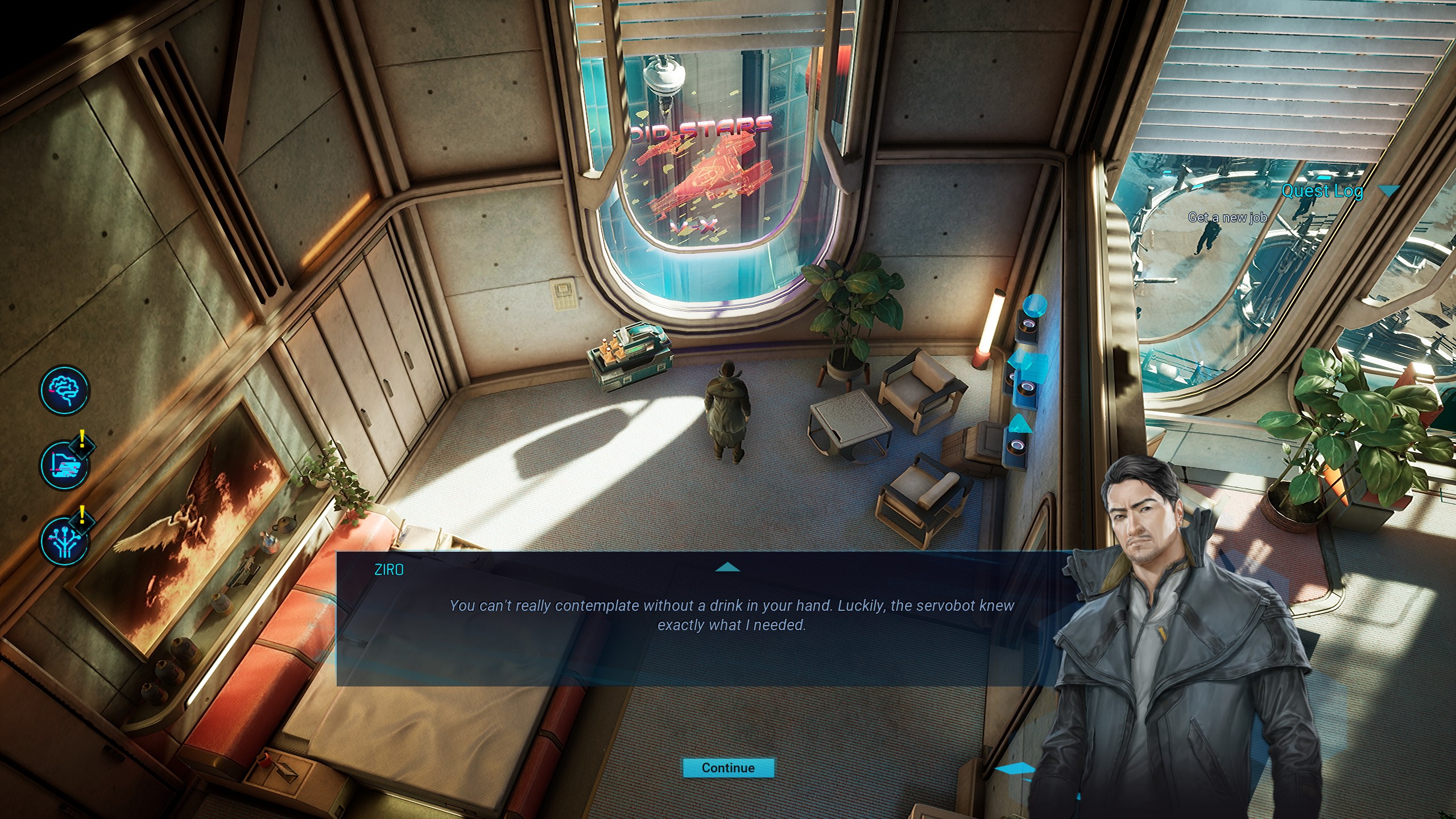
Unrivalled of the first things I do when I wake skyward in my apartment is check out my hangar in my favourite space sim and moan about not being able to afford a new ship. It's also offline for alimony. Typical! I look out my window at the drone ads—I can make them piss off with the rectify skill—sad about my lack of cash in hand, and sip some vodka that I've been gifted by a mar with the expectation that I'll mention IT on social media. Against my better judgment I've elite 'infotainer' atomic number 3 my original profession, making me internet-noted.
Against my break judgment I've selected 'infotainer' as my first profession, making me internet-famous.
Though you can single caper equally a gamedec, all gamedec has a life on the far side the gig, another professing, opening up raw actions and dialogue options that can help break a case. These are your skills. As an infotainer, I show off and use my fame and inauthentic charm to impress my fans and make them easier to interrogate. Infotainers have other tricks, too, and expert knowledge that comes in handy in a surprising number of situations, with skill checks that Army of the Pure Maine take advantage of my online stardom cropping upwardly all the time.
You're non curst a 1 professing, either. The way you act, even in throwaway conversations, can earn you points in four several personality types, which can then be spent on unlocking new or higher-level professions. By the time I was cooked with Gamedec, I'd unlocked totally of the celebrity-themed professions, and most of the other trees, making me even as deft at hacking, medicinal drug and trembling people down.
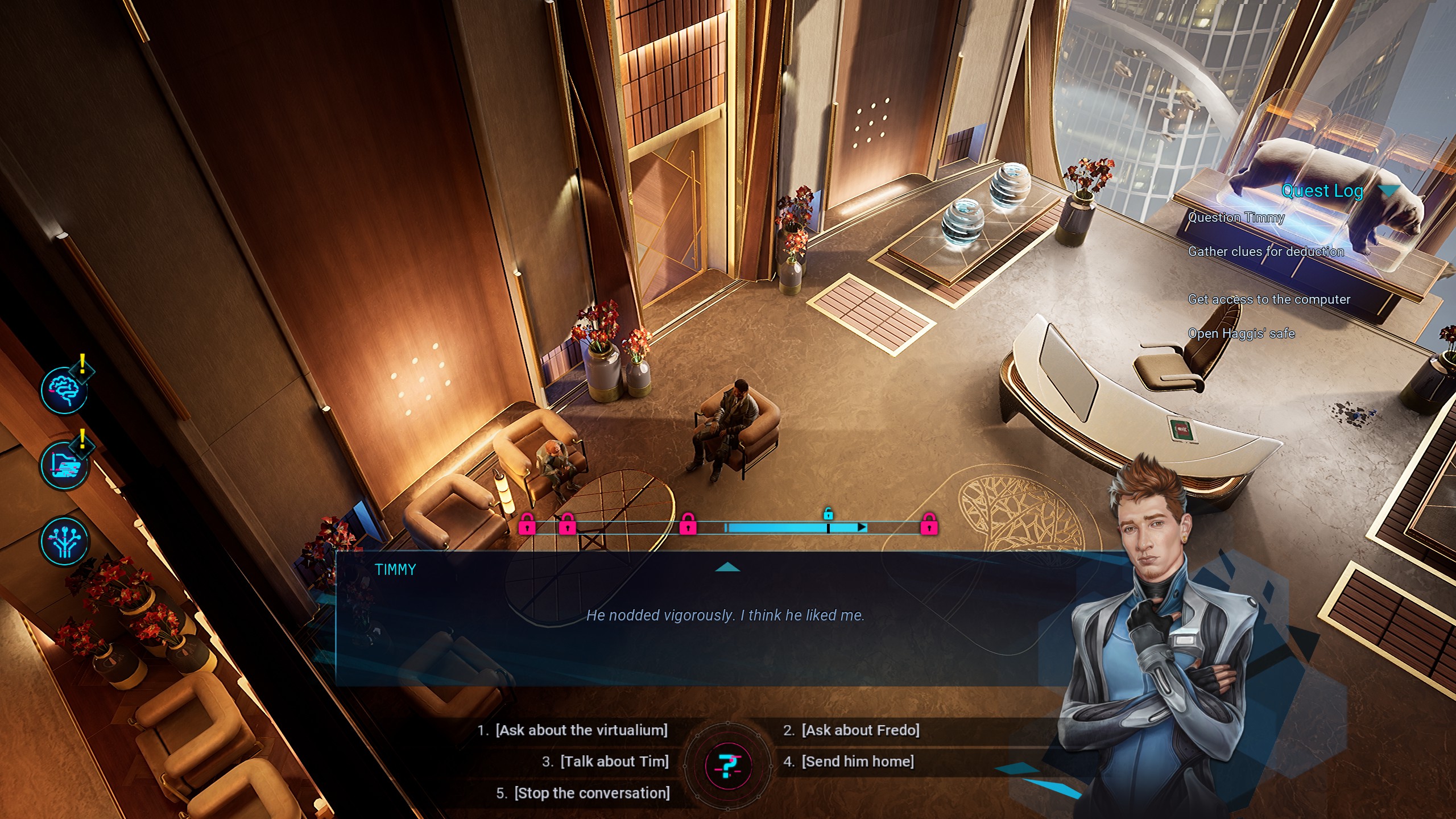
It's an spontaneous system of rules where the style you roleplay is reflected in the skills you're able to acquire, but the absence of tutorials and tooltips—tutorials were all the same being added when I started, but are in-game now—meant I was missing crucial context, including during character creation, that necessitated a couple of restarts. A bigger problem, even so, is a lack of body, with the game sometimes qualification calls that are impenetrably arbitrary.
See, each of the four personality types is made ascending of eight themed aspects like logic, empathy, determination, and information technology's aside making decisions that increase these aspects that you get spick-and-span points and unlock professions. I've detected several occasions where aspects go up for ostensibly unrelated actions, however, while entirely the times I've selected the most chill, most zen, most deescalating options have finished nothing to increase my calm stat.
This is naturally a trifle of a problem for a game touting its extreme reactivity. And it is vastly adaptable. Everything from whole cases to incidental chats can proceed in wildly different directions contingent past relationships, professions, and easy-to-miss clues. And those are just the visible things—there's stack going connected in the background. A whole lot of the time it does react in shipway that make sense, but IT sometimes struggles to hold complete the disparate threads together. This culminates in unusual oddities, like characters responding to you as if you'd aforesaid something alone different, Beaver State responses that are nonexistent entirely.
Information technology's also very hard to keep track of all these things yourself. The codex, your massive knowledge database, is an unintuitive mess, and instead of giving you helpful, easy-to-parse inside information about the people you come across and places you go, IT presents everything as interviews, conversations, adverts and cyclopaedia excerpts. It's typically flavour over use, and you have to sieve through a lot of junk to set out to the important stuff. If this was just overwritten lore, IT would be easy to overlook, merely Gamedec's a detective RPG, making all those extra details possibly crucial to understanding a case.
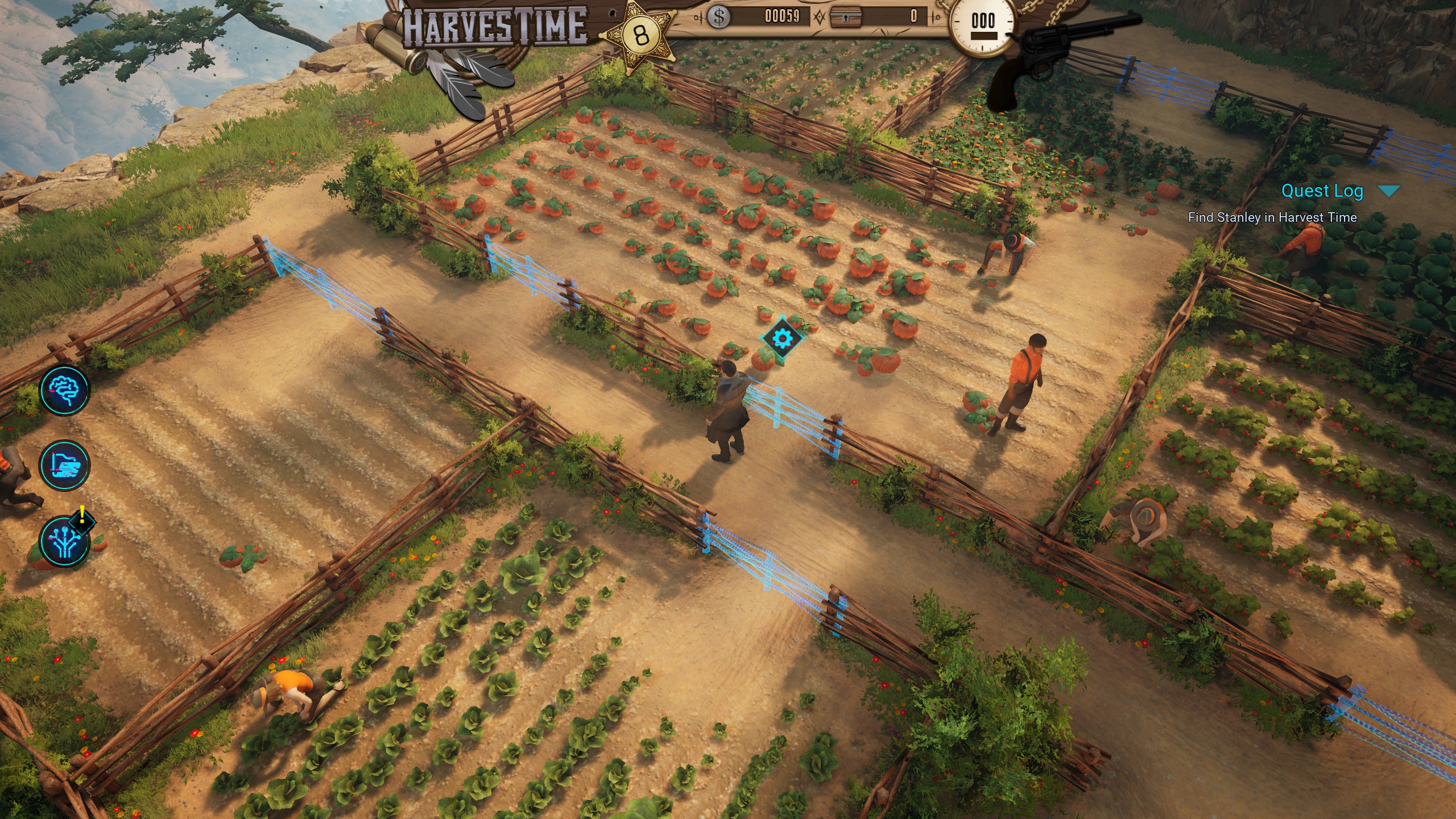
The cases are a lot more unusual than your typical RPG fare. A missing soul stuck in a appendage public built on fetishes, a group of realistic farmers being exploited in a free-to-play gamy, an MMO clan that's grown into a huge religious cult—they altogether use elements of conventional mysteries and then take them to unexpected places, skewering things look-alike mettlesome monetisation and exploring concepts like digital self breakthrough.
The act of actually solving a mystery is too one of the Sunday-go-to-meeting examples of great adventure game design. By exploring these virtual realms and doing your detective thing, you'll uncover clues that will lead to a variety of possible deductions. You're never expressly told if a clue give notice be entirely trusted, and you'Ra free to make wicked deductions without judgment. Information technology's not come-at-able to uncovering every clue, but information technology's too impossible to get stuck. If you aren't able to solve one part of the mystery, you'll still take over skills that will let you figure out unusual parts, and hopefully reach a hearty conclusion.
Sometimes, though, you might remainder up having to pick a synthesis that you know is wrong, because you've non found more clues but still pauperism to move out forward. The implication card isn't forever as free with context American Samoa it could atomic number 4, either, qualification it harder to see how everything fits together. Important clues and even the deductions themselves are often only accompanied by single-sentence descriptions.
The cases, though constructive and high concept, are accompanied by writing that unfortunately never finds its groove.
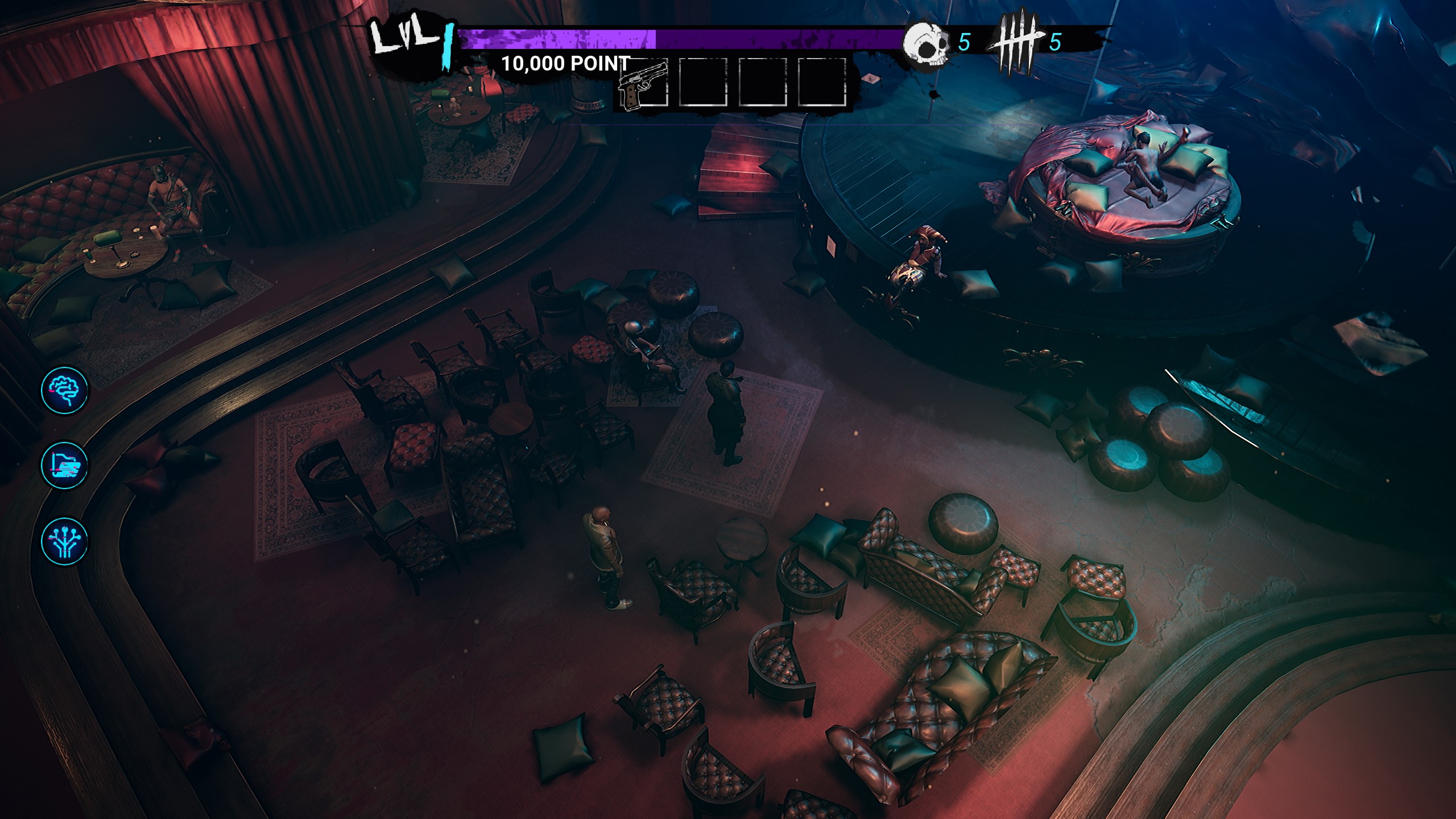
With just about cases taking place in VR, solutions to conundrums are pretty exotic. You can hack hoi polloi spell you're having a conversation with them, use your contacts to give you premium currency to throw around or purpose exploits to sidestep an obstacle. You can putting to death, as well, or be killed yourself, though there's no discrete combat system and death in VR just means you respawn at the area entryway, allowing you to quickly get hindmost to interrogating unicorn trolls or digging up moolah boxes for bribes.
The cases, though constructive and piping concept, are accompanied by composition that unfortunately ne'er finds its groove. On that point's no real identifiable style operating room chant, and for every bit of confident prose on that point are paragraphs untouched of typos and awkward, stilted dialogue. Several of this could be down to a rushed English translation, which was still incomplete during my critical review. Mostly this meant I had to pass over roughly Glossiness codex entries, only on few occasions I couldn't progress without assistance from a Polish-English lexicon.
I find myself wishing IT had many to say, too. While it explores timely, complex issues, IT just skims the surface, more tourism than critique. And those themes are quickly subsumed by the overarching and much more stuffy sci-fi patch. Passim the first half of the game you'll head start to see connections between your cases, a secret within a mystery, but when that mystery is revealed Gamedec for the most part ditches its detective amour propre and starts hurtling towards a disappointing sexual climax.
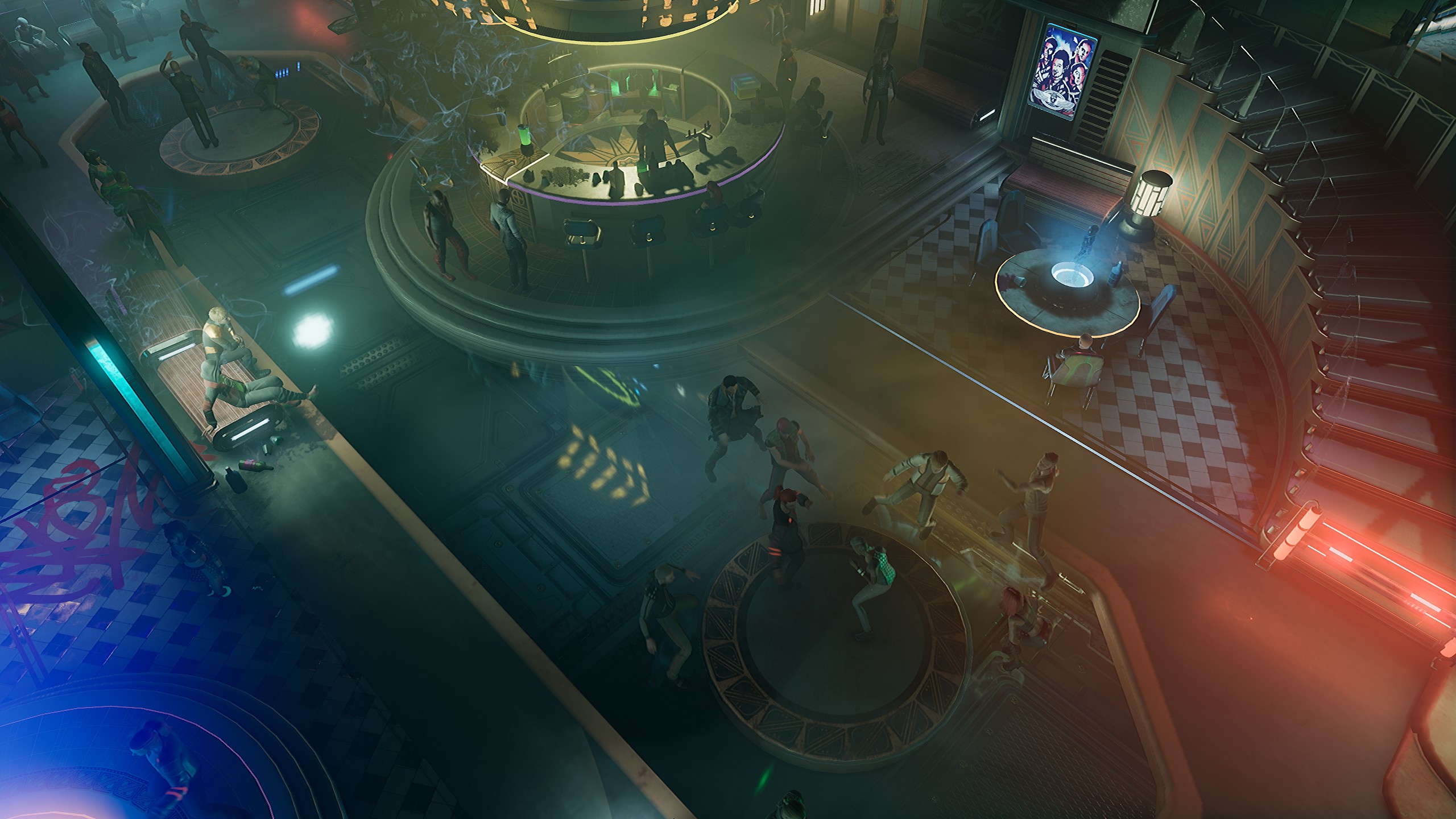
Information technology effectively becomes a different pun. First it puts you in an MMO where you can lonesome do so many actions in front the day ends, basically giving you a time boundary. And what counts as an action? Who the hell knows? Gamedec certainly doesn't. Sometimes they're tagged, sometimes they aren't. And it goes out of its way to make you burn up through actions, wasting time that could be spent breaking the case. This section is full of make-work and rote tasks, a replication of a mobile MMO instead of a parody.
From there it loses its way entirely, dragging you through multiple worlds in quick succession where your freedom is massively curtailed. You're still bombarded with choices, but you're for the most part reacting to the obstacles the mettlesome throws in your way, sooner than getting stuck into some piquant freeform investigations. There are brief sparks of agency, but then you're yanked to the close bit. Given how brief it is compared to most RPGs—you can wrap information technology up in 10-15 hours—the change in pace and focus is even more than jarring.
When I found myself in a dino-hunting game I got my hopes up, but I was there for all of 10 minutes, most of which was taken upwardly by written sequences. I got to see one dinosaur. Information technology was lifeless. "Maybe I'll comprise able to give it an autopsy," I prayed. No such luck. Taking on weird cases As a VR super sleuth is the seductive fantasy at the heart of the game, and the sweetener that makes up for its umteen rough edges, so Gamedec's biggest mystery might be why it veers off in this other direction.
It didn't help that bugs required ME to play through with several sections of the worst function of Gamedec again, though they are by zero means limited to the second uncomplete. There are broken quests, conversations that trap you in a duologue box forever, animations that leave you stuck in mid-air, characters you can't interact with but are still told to interrogate—I learned to quicksave frequently.
Gamedec had heaps of promise, but the bugs, inconsistencies and that jarring pivot leave behind IT feeling rushed and confused. And it's all the Sir Thomas More dissatisfactory because information technology's so obvious that in that respect's a important game in here somewhere, information technology just didn't get finished.
Gamedec
Gamedec is half of a good RPG and falls FAR squabby of its tantalising premise.

Fraser is the UK online editor in chief and has actually met The Internet in person. With over a decade of experience, He's been around the occlusion a few times, helping as a freelancer, tidings editor and prolific reviewer. Strategy games have been a 30-year-long obsession, from tiny RTSs to sprawling political sims, and he never turns down the prospect to rave about Tote up War or Crusader Kings. He's also been known to set up shop in the current MMO and likes to wind down with an continuously deep, systemic RPG. These days, when he's not redaction, he can usually be found writing features that are 1,000 words too long. He thinks labradoodles are the best dogs only doesn't annoy write about them a good deal.

Source: https://www.pcgamer.com/gamedec-review/
Posted by: scotttrall1987.blogspot.com
0 Response to "Gamedec review | PC Gamer - scotttrall1987"
Post a Comment